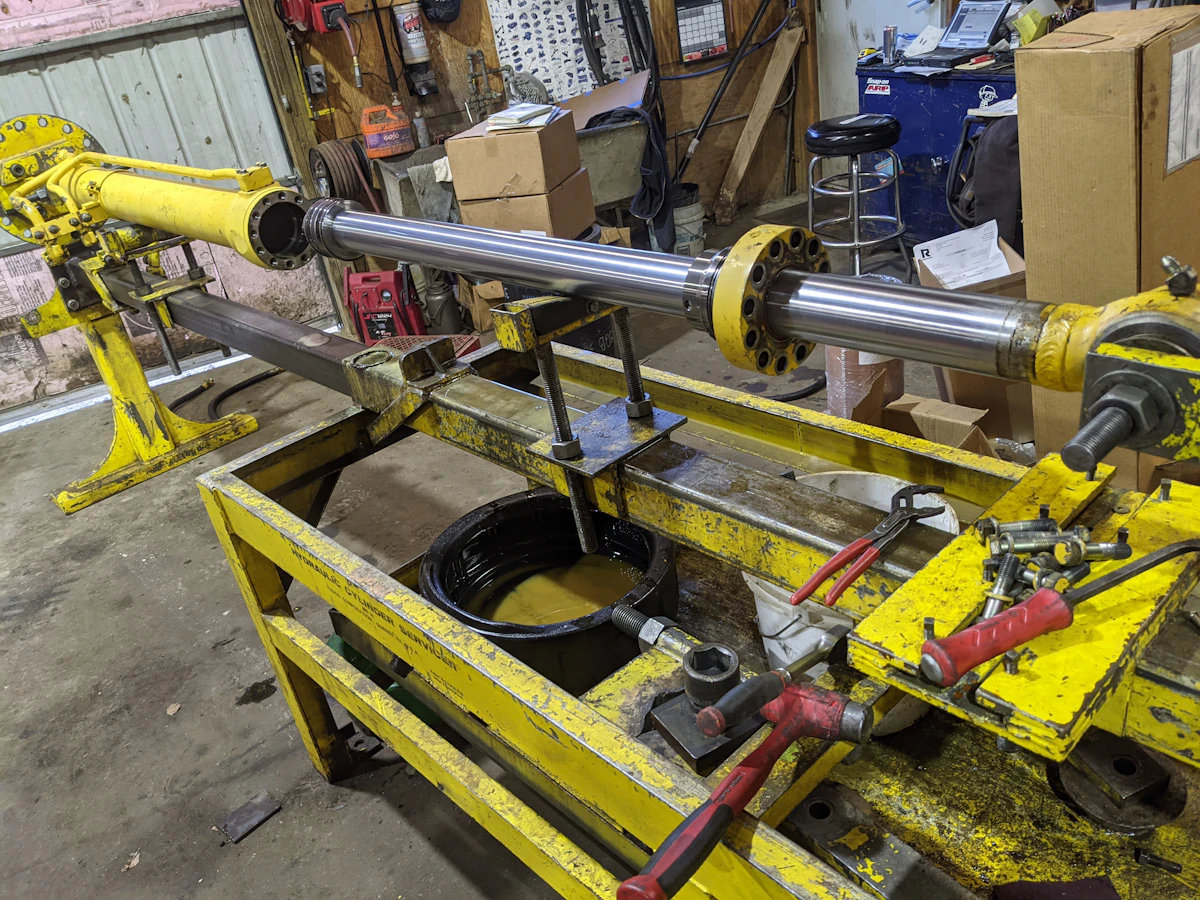
Hydraulic systems power many of the most critical functions in heavy equipment, including lifting, steering, digging, grading, and attachment control. When these systems operate properly, equipment responds with precision and consistent force. When a hydraulic system fails, operators may encounter leaks, overheating, slow cycle times, reduced movement, unsafe conditions, and costly downtime.
For equipment operating in Central Washington State, preventive maintenance is especially important. Dust, heat, long duty cycles, agricultural debris, and rugged job sites can place additional stress on pumps, hoses, cylinders, valves, seals, and reservoirs. A structured heavy equipment maintenance plan helps reduce avoidable failures and supports safer, more reliable operation.
Why Hydraulic Systems Fail
Most hydraulic failures stem from contamination, low fluid levels, excessive heat, worn hoses, restricted filters, or internal component wear. Hydraulic fluid contamination may include built-in debris, wear particles, air, water, chemical degradation, and ingrained dirt or dust. Each contaminant can reduce system efficiency, increase wear, and damage precision components.
Common causes of hydraulic failure include:
- Dirty or degraded hydraulic fluid
- Clogged or incorrect filters
- Worn hoses, fittings, and seals
- Water or air contamination
- Excessive operating heat
- Pump cavitation
- Poor maintenance records
A consistent preventive maintenance checklist helps identify these concerns before they require major repairs to construction equipment.
Keep Hydraulic Fluid Clean
Clean hydraulic fluid transmits force, lubricates moving parts, helps control heat, and protects internal components. Contamination can enter through filler ports, breather caps, quick couplers, worn seals, improper storage, or maintenance performed in dirty environments. Hydraulic contamination prevention practices include clean fluid handling, proper filtration, sealed storage, and careful maintenance.
To protect hydraulic system performance, follow these guidelines:
- Use the fluid type and viscosity specified by the equipment manufacturer.
- Store hydraulic fluid in sealed, clean containers.
- Clean around fill points before opening the system.
- Use filtered transfer equipment rather than open buckets or funnels.
- Replace damaged breathers, caps, and seals.
- Test the fluid condition on high-value or high-hour equipment.
Milky fluid may indicate water contamination. Foamy fluid may indicate air in the system. Dark, burnt-smelling, or gritty fluid should be inspected before the machine returns to heavy service.
Replace Filters Before Restrictions Cause Damage
Hydraulic filters remove particles that would otherwise circulate through pumps, motors, valves, and cylinders. Effective filtration maintains fluid cleanliness and helps reduce the risk of wear-related damage. Hydraulic contamination control is especially important after major repairs, component replacements, or service performed in dusty environments.
Filter maintenance should include:
- Replacing filters at approved service intervals
- Inspecting filter housings and seals
- Monitoring restriction indicators
- Flushing the system after major repairs, as required
- Investigating repeated filter warnings
A restricted filter can reduce flow, increase heat, or allow bypassed contaminants to circulate. Equipment operating in dusty construction, agricultural, or gravel conditions may require more frequent filter service than equipment operating in cleaner environments.
Inspect Hoses, Fittings, and Seals
Hydraulic hoses are subject to pressure spikes, vibration, abrasion, heat, and constant flexing. Hydraulic maintenance and safety practices are important because poorly maintained hydraulic assemblies can contribute to premature hose failure, blowouts, equipment damage, downtime, and injury.
A formal hydraulic hose inspection should include:
- Oil leaks at hose surfaces, fittings, and couplings
- Blistering, cracking, bulging, or deformation
- Abrasion from rubbing against frames or guards
- Loose clamps or improper hose routing
- Corroded fittings
- Cylinder rod scoring or seal leakage
High-pressure leaks require caution. OSHA's hydraulic system safety guidance identifies hydraulic oil leaks, abnormal hose deformation, and excessive abrasion as conditions that may require corrective action. Never check for a pressurized leak with bare hands. Use approved detection methods, depressurize the system before servicing, and replace damaged components promptly.
Control Heat and Monitor System Behavior
Heat shortens fluid life, hardens seals, reduces lubrication, and accelerates wear on pumps and valves. Hydraulic oil can become hot during operation, and leaks can pose additional safety risks near ignition sources. Common causes of excessive heat include:
- Low fluid level
- Restricted filters
- Dirty coolers
- Worn pumps
- Internal leakage
- Overloaded attachments
- Poor airflow around cooling components
Operators should report slow cycle times, weak lifting power, jerky movement, foaming fluid, unusual pump noise, or repeated low-fluid conditions. These symptoms may indicate early hydraulic pump problems or internal leakage. Addressing them early supports better prevention of equipment downtime.
Build a Maintenance Routine for Central Washington Conditions
Equipment in Central Washington State may operate in dry soil, crop residue, gravel dust, summer heat, and extended seasonal workloads. These conditions make cleanliness, cooling, and inspection discipline especially important for heavy equipment repair in Central Washington. Daily and scheduled maintenance should include:
- Checking for leaks before startup
- Confirming the reservoir level under the correct machine conditions
- Inspecting hoses, cylinders, and fittings
- Cleaning coolers and service areas
- Listening for unusual pump noise
- Recording temperature, performance, and leak concerns
- Reviewing maintenance history for recurring issues
Hydraulic preventive maintenance helps reduce downtime, improve safety, extend equipment service life, and improve maintenance planning efficiency.
When Professional Service Is Needed
Professional hydraulic system maintenance is recommended when problems recur, are severe, or are difficult to isolate. A qualified technician can perform pressure and flow testing, leak checks, fluid sampling, and component diagnostics. These tests help determine whether the issue involves a pump, valve, cylinder, hose, cooler, filter, or fluid condition.
Prompt service is especially important when equipment shows signs of overheating, cylinder drift, severe leaks, foaming oil, slow cycle times, or repeated filter restrictions.
Conclusion
Preventing hydraulic system failures requires disciplined maintenance, clean fluid, proper filtration, regular hose inspections, heat control, and accurate operator reporting. These practices protect expensive components, improve safety, and ensure reliable hydraulic system performance in demanding work environments. For hydraulic inspections, diagnostics, and preventive maintenance, contact Machinery Northwest Co. in Central Washington.
.svg)
.svg)
.svg)